
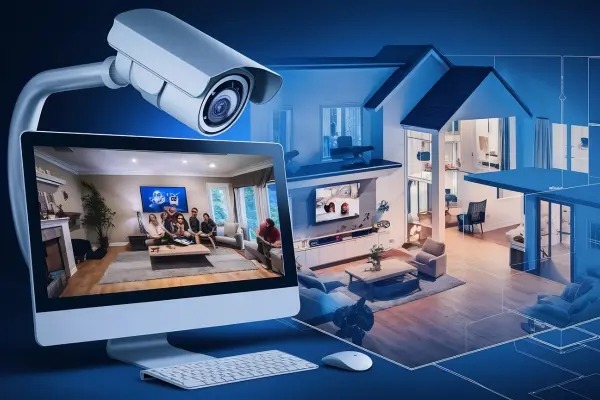
A gated apartment community in Bangalore wanted to improve resident safety and vehicle monitoring. The existing system suffered from blind spots, poor night visibility, and inconsistent recording. The upgraded solution included: The modernization helped the apartment association: The project also focused on proper storage planning and preventive maintenance to ensure uninterrupted surveillance operations. Residential communities today are increasingly adopting integrated security infrastructure to improve both safety and operational management.
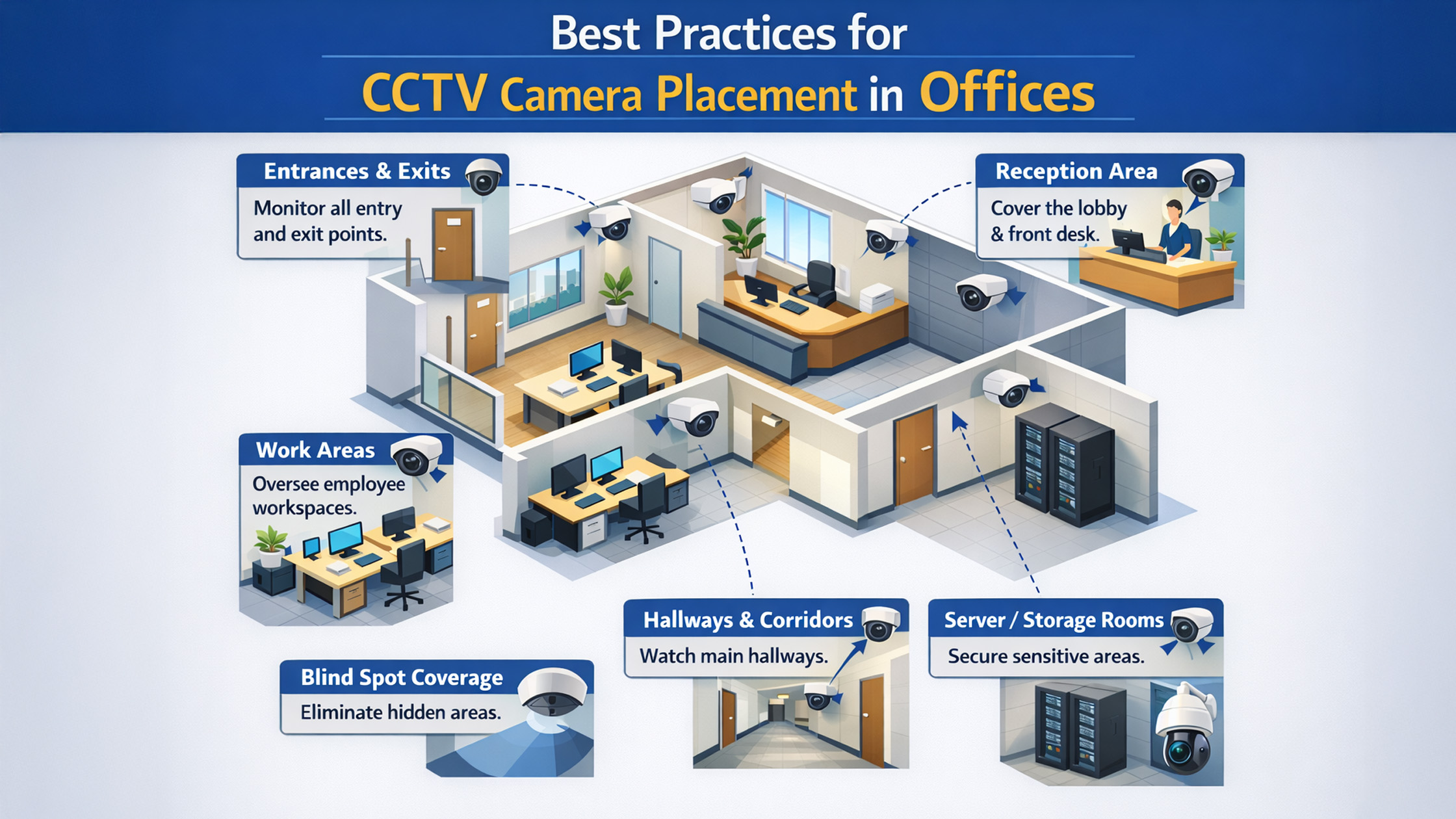
Case Study — Upgrading Surveillance Infrastructure for a Bangalore Office
A growing corporate office in Bangalore was facing multiple surveillance challenges, including limited camera coverage, poor image quality, and difficulty monitoring multiple floors. The existing analog surveillance setup had become difficult to maintain and lacked remote accessibility. After a detailed site assessment, the organization upgraded to an IP-based surveillance solution with: The deployment improved: The organization also benefited from simplified scalability, allowing additional cameras and security devices to be integrated in the future. Modern businesses across Bangalore are increasingly modernizing surveillance infrastructure to improve operational visibility and strengthen overall security management.
Common CCTV Mistakes Businesses Make
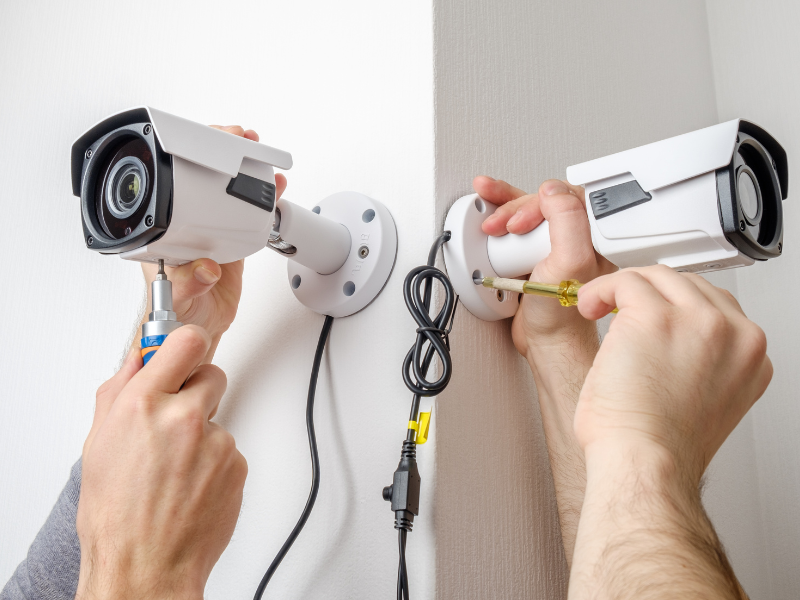
Many surveillance projects fail not because of technology limitations, but because of poor planning. Some of the most common mistakes include: Another major issue is focusing only on hardware pricing instead of long-term system reliability. A low-cost installation may lead to: Businesses should treat surveillance infrastructure as a long-term operational investment. Professional site surveys, proper design documentation, and future-ready architecture are essential for reliable security deployments. A well-planned surveillance system delivers significantly better performance, operational visibility, and return on investment.
Why CCTV Maintenance is Just as Important as Installation
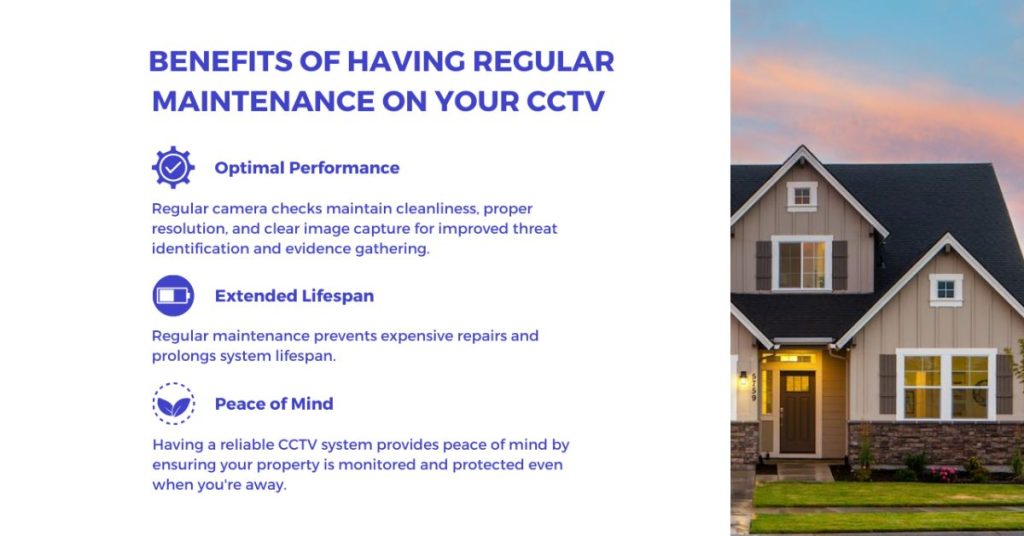
Installing a CCTV system is only the first step. Without proper maintenance, surveillance systems gradually lose effectiveness. Common issues seen in poorly maintained systems include: Many businesses discover these problems only after an incident occurs. Preventive maintenance helps ensure: For apartment complexes and offices in Bangalore, Annual Maintenance Contracts (AMC) are becoming essential for uninterrupted surveillance operations. Routine health checks also improve equipment lifespan and reduce unexpected downtime. A surveillance system should never be treated as a one-time installation. Like any critical infrastructure, it requires regular monitoring and optimization.
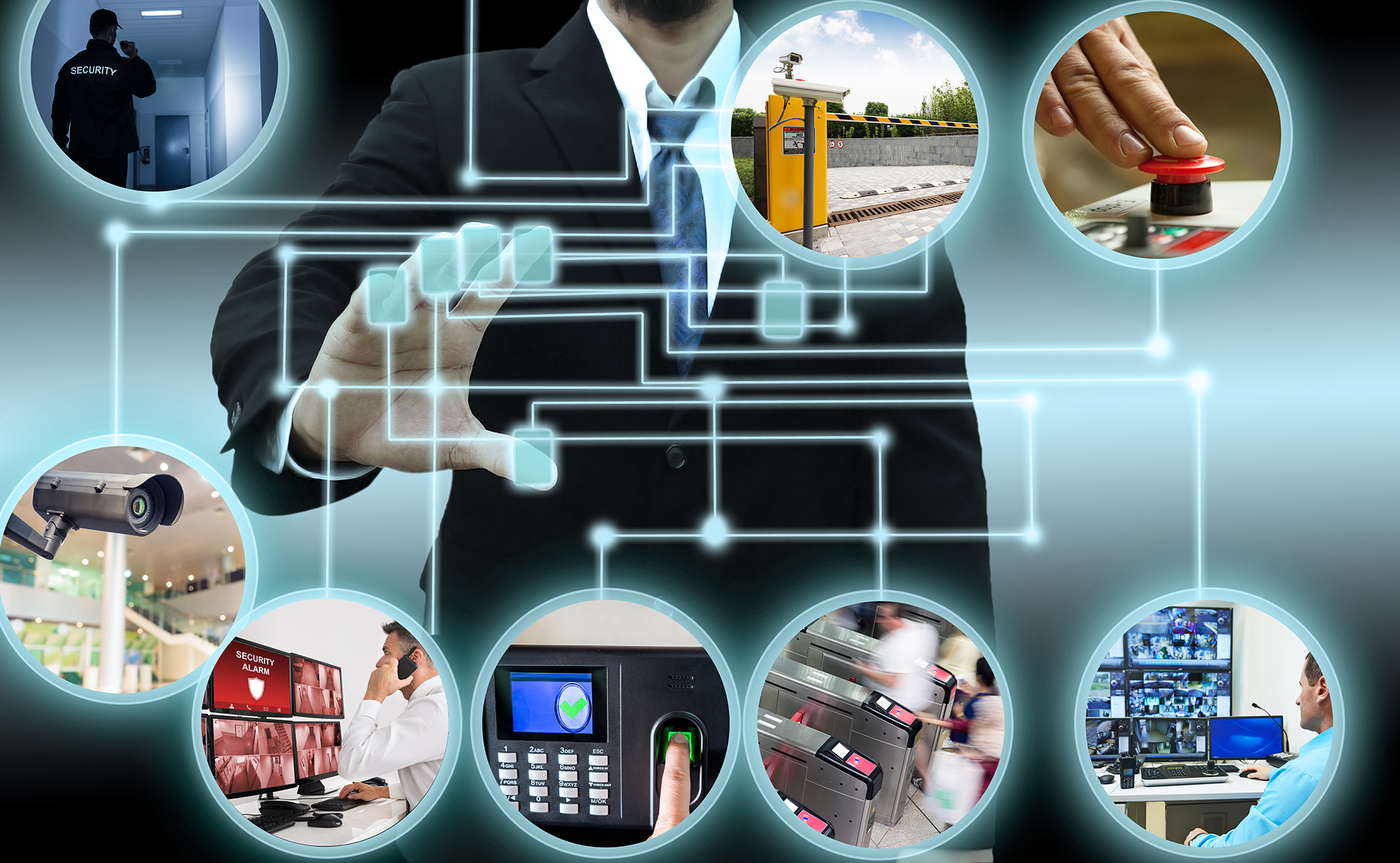
Why Businesses Are Moving Toward Integrated Security Systems
Security systems are no longer operating independently. Modern businesses are integrating CCTV, access control, visitor management, and alarm systems into a single unified platform. Integrated security infrastructure helps organizations: For example, when access control systems are integrated with CCTV: Large offices, hospitals, IT parks, and industrial facilities across Bangalore are increasingly adopting centralized security operations. Integrated security is becoming a critical component of modern infrastructure planning. Organizations that invest in unified security ecosystems gain better operational visibility and long-term scalability.
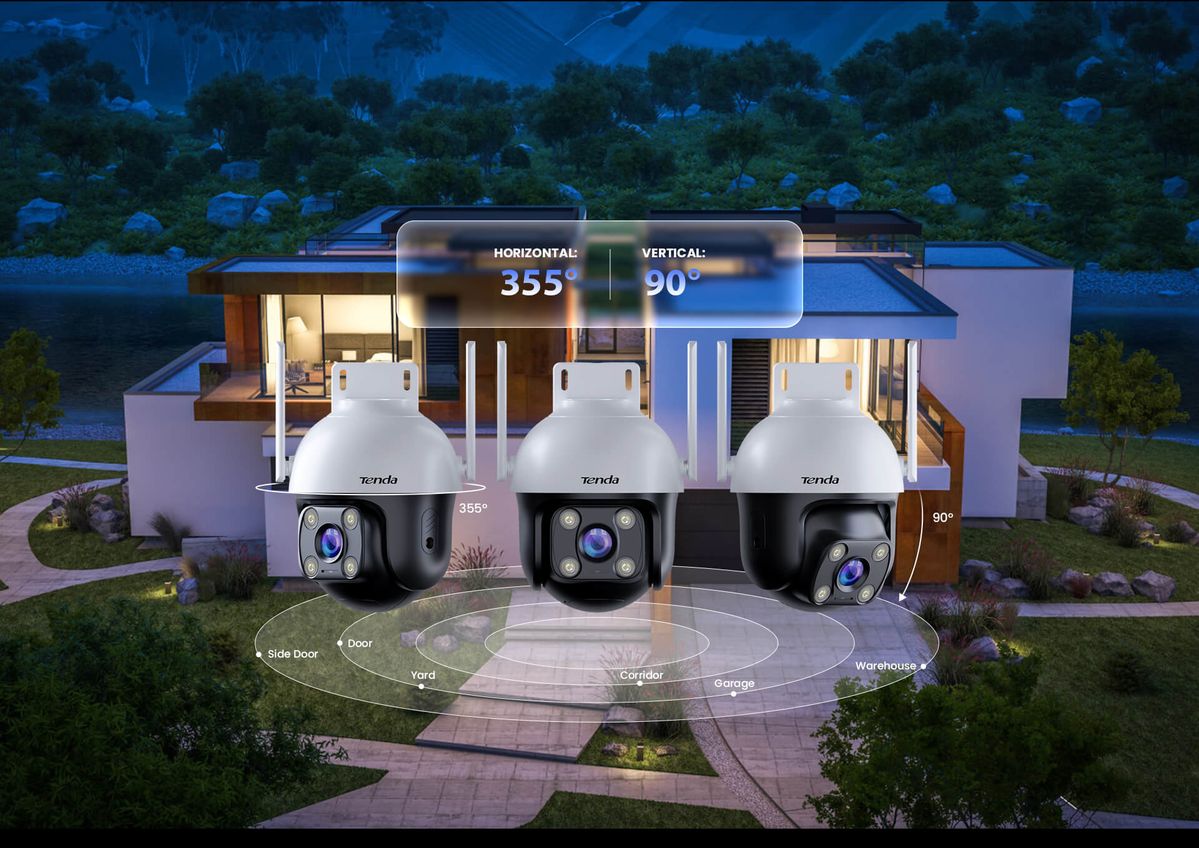
Smart Surveillance Trends Bangalore Businesses Should Watch
The surveillance industry is rapidly evolving from passive monitoring to intelligent security management. In Bangalore, organizations are increasingly adopting AI-powered surveillance systems to improve operational efficiency and proactive security. Key trends shaping the industry include: AI video analytics Cloud-based surveillance Remote monitoring centers Facial recognition systems Smart parking analytics Integrated access control Cyber-secure surveillance networks Modern security systems are now capable of generating alerts automatically instead of relying entirely on manual monitoring. Businesses are also focusing on integrating surveillance with: Visitor management systems Building management systems Fire alarms Access control solutions Command centers The future of surveillance is not simply recording video — it is about generating actionable intelligence. Organizations that modernize their security infrastructure today will be better prepared for operational and compliance challenges in the future.
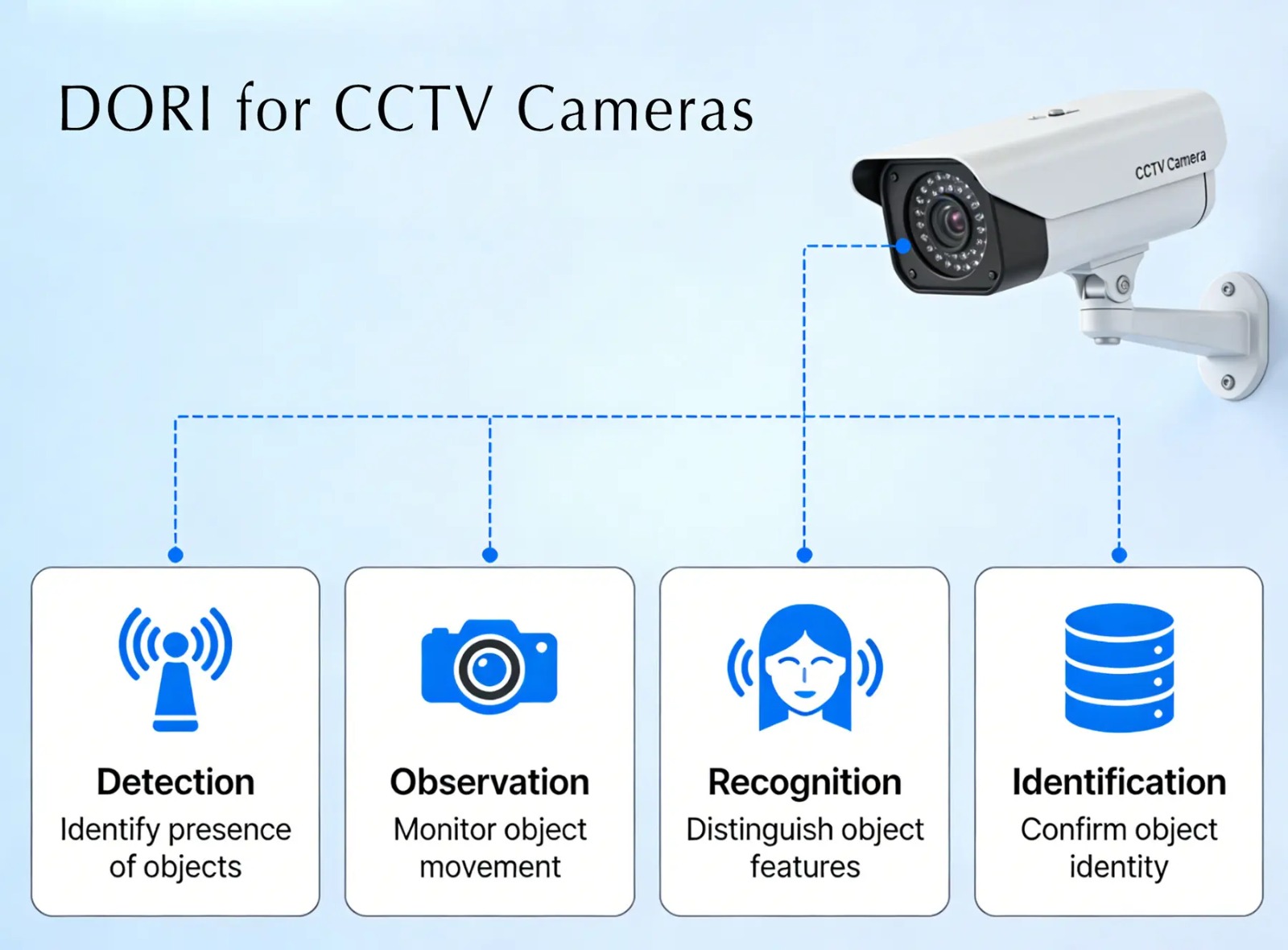
Understanding DORI in CCTV — Why Camera Resolution Alone Is Not Enough
When selecting a CCTV camera, many customers focus only on megapixels or camera resolution. However, a high-resolution camera does not automatically guarantee useful surveillance footage. This is where the DORI concept becomes important. What is DORI? DORI stands for: Detection Observation Recognition Identification It is an international CCTV performance standard defined under: IEC EN62676-4:2015 The DORI standard helps determine how effectively a camera can distinguish people or objects at different distances. Instead of simply asking: “How many megapixels is this camera?” DORI helps answer: “What level of detail can this camera actually capture at this distance?” Why DORI Matters in Real CCTV Deployments Improper camera selection is one of the most common mistakes in surveillance projects. For example: A camera installed at a building gate may detect movement, but fail to identify a face clearly. This happens when camera placement, lens selection, and pixel density are not properly planned. DORI helps system integrators design surveillance systems based on actual operational requirements rather than just hardware specifications. The Four Levels of DORI 1. Detection The camera can detect that a person or object is present. Typical use: Perimeter monitoring Boundary surveillance Open parking areas At this level, you can see movement but may not distinguish details. 2. Observation The camera allows operators to observe actions or behavior. Typical use: Monitoring crowd activity Watching movement patterns General situational awareness You can understand what is happening, but facial details may still be unclear. 3. Recognition The camera can recognize a familiar person or identify characteristics. Typical use: Office entrances Apartment gates Reception areas At this level, operators can distinguish whether a person has been seen before. 4. Identification The highest DORI level. The camera captures enough detail to identify a person beyond reasonable doubt. Typical use: Critical entry points Cash counters Server rooms High-security zones This level is essential for investigations and evidence collection. Understanding Pixels Per Meter (PPM) DORI calculations are based on: Pixels Per Meter (PPM) PPM measures how many pixels cover one meter of scene width. Higher PPM means: Better image clarity Better facial detail Better identification capability Typical DORI guidelines include: DORI Level Approx. PPM Requirement Detection 25 PPM Observation 62 PPM Recognition 125 PPM Identification 250 PPM A camera may provide excellent identification at 5 meters but only detection at 25 meters. This is why camera placement and lens selection are extremely important. Why DORI is Important for Bangalore Businesses and Apartments In Bangalore, surveillance systems are increasingly being deployed across: Offices Hospitals Apartment complexes Warehouses Retail stores IT parks Many projects fail because cameras are selected only based on price or megapixel ratings. Proper DORI-based planning helps ensure: Better incident investigation Improved facial clarity Reduced blind spots Better compliance Smarter camera placement Final Thoughts A CCTV camera should not be selected based only on resolution specifications. The real question is: “What level of detail do you need at a specific distance?” That is exactly what the DORI standard helps answer. At iSecure Solutions, we recommend surveillance design based on operational outcomes, coverage requirements, and DORI-based planning to ensure reliable and future-ready security infrastructure.
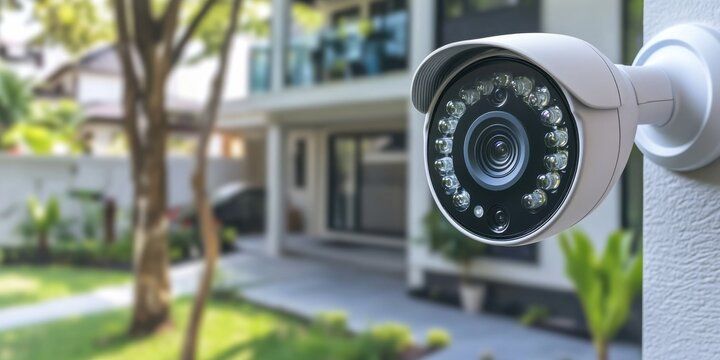
CCTV for Apartments in Bangalore — What Residents Should Know
Apartment communities in Bangalore are increasingly investing in advanced surveillance systems to improve resident safety. Modern residential CCTV systems now include: Many gated communities are also integrating: When planning apartment surveillance, camera placement is extremely important. Blind spots, lighting conditions, and network connectivity should all be evaluated carefully. Residents should also ensure that: A well-designed surveillance system improves not only security but also community confidence and operational management.
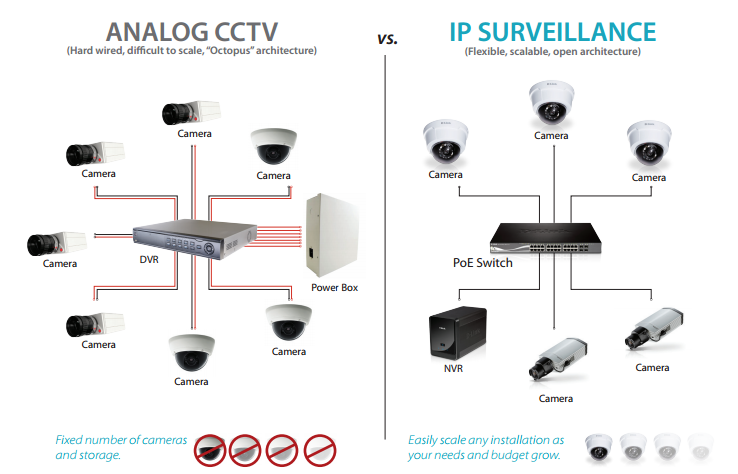
IP Cameras vs Analog Cameras — Which is Better in 2026?
One of the most common questions customers ask is whether to choose IP cameras or traditional analog cameras. Analog systems are still used in smaller installations because of lower upfront costs. However, IP surveillance systems are rapidly becoming the industry standard. Why businesses and apartment communities in Bangalore are shifting to IP surveillance: IP cameras can support intelligent features such as: Analog systems may still suit very small or budget-conscious deployments, but for long-term reliability and future expansion, IP surveillance provides significantly better value. As Bangalore’s infrastructure becomes smarter and more connected, businesses are increasingly investing in intelligent surveillance ecosystems instead of standalone camera systems.
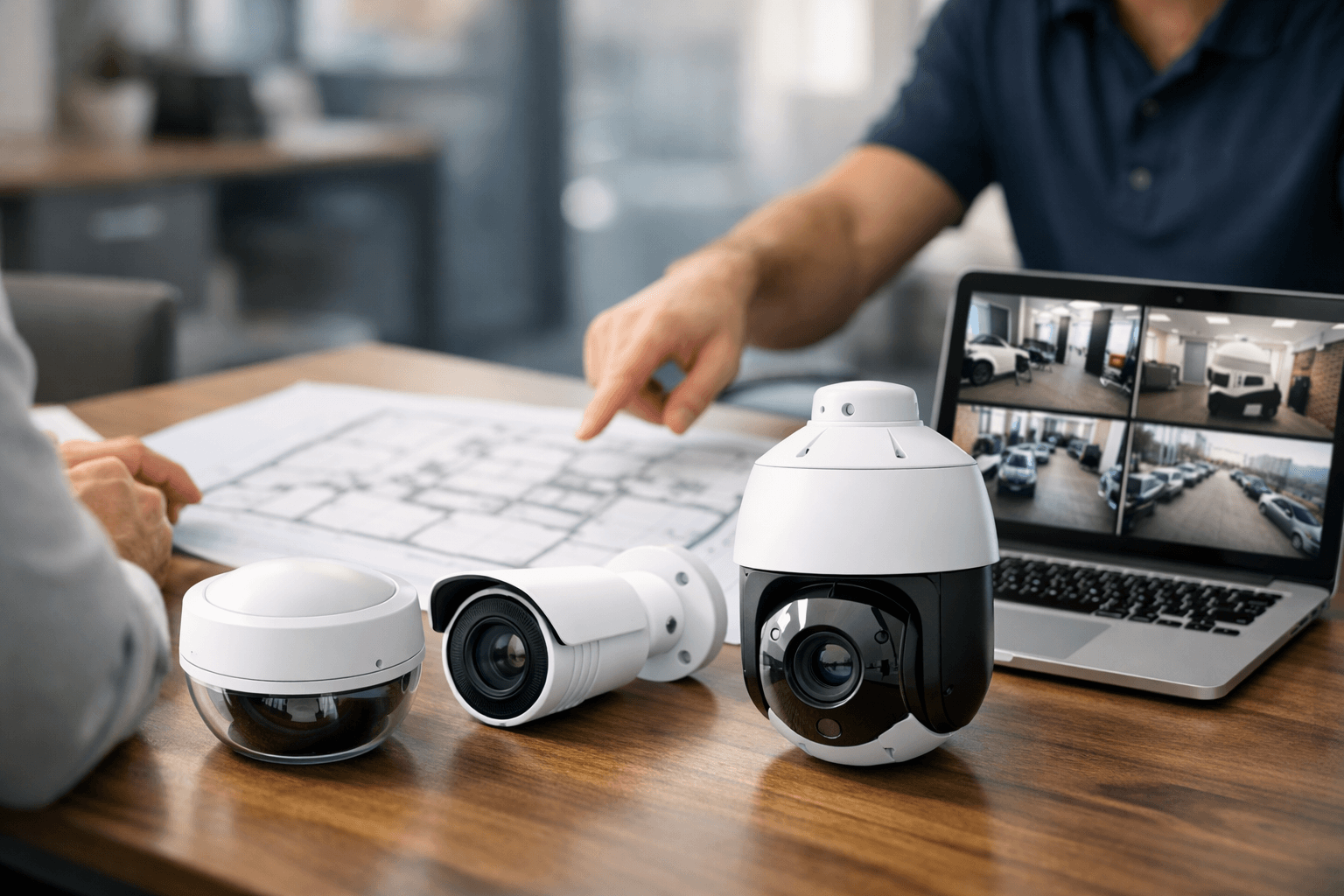
How to Choose the Right CCTV Camera Using the DORI Standard
Buying a CCTV camera is not just about selecting the highest megapixel option. The real question is: “What level of detail do you actually need from the camera?” A camera installed for perimeter monitoring has very different requirements compared to a camera installed at an entry gate or cash counter. This is where the DORI standard helps. What is DORI? DORI stands for: It is an international CCTV standard used to measure how effectively a surveillance camera can capture details at specific distances. For example: Understanding this difference helps businesses and apartment communities select the right surveillance solution without over-spending or compromising security. Why DORI Matters When Buying CCTV Cameras Many buyers focus only on: However, proper surveillance planning also depends on: Different areas require different surveillance outcomes. Location Recommended DORI Level Boundary wall Detection Parking area Observation Main gate Recognition Reception or cash counter Identification Using DORI-based planning helps ensure: Common CCTV Buying Mistakes Some of the most common mistakes include: A professionally designed surveillance solution should always balance: Final Thoughts The best CCTV camera is not necessarily the most expensive one. It is the camera that delivers the right level of detail for the intended operational requirement. DORI-based surveillance planning helps organizations make smarter investment decisions while improving overall security effectiveness. Want to Learn More About DORI and Pixels Per Meter (PPM)? If you would like to understand the technical side of: Read our detailed Technology Explained article: Understanding DORI in CCTV — Why Camera Resolution Alone Is Not Enough